EPC C by 2030: the deadline is set. The plan is the easy part.
Every privately rented home in England must reach the new EPC C standard by 1 October 2030 — one deadline, a £10,000-per-property cost cap, and penalties of up to £30,000 per breach.We are an Oxfordshire retrofit contractor that surveys, plans and delivers those upgrades across whole portfolios, phased around your tenancies.
2030
One deadline: 1 October 2030. All tenancies in scope must comply by then. The phased 2028 start was dropped.
£10k
Cost cap per property. Spend up to the cap; if the property still falls short, a 10-year exemption can be registered.
£30k
Maximum penalty per breach, per property, enforced by local authorities.
~50%
Of England’s private rented homes currently sit below EPC C — a very large queue is forming.
The rules, in plain terms
The government confirmed the new framework in January 2026, in its response to the consultation on raising energy standards in the private rented sector:
- One deadline: 1 October 2030. All tenancies in scope must comply by then. The phased 2028 start was dropped.
- A new dual-metric standard. Compliance is measured against new EPC metrics — a primary fabric standard first (insulation, windows, airtightness), then a secondary heating or smart-readiness metric. Fabric-first is now written into the rules — which is how we have always built.
- A £10,000 cost cap per property. Spend up to the cap on improvements; if the property still cannot reach the standard, a 10-year exemption can be registered. The cost of the post-works EPC counts within the cap.
- Penalties up to £30,000 per breach, per property, enforced by local authorities.
- Legislation targeted for 2027, with compliance demonstrated by a post-retrofit EPC before the deadline.
Around half of England’s private rented homes currently sit below EPC C. That is a very large queue forming in front of a contractor base that is already short-handed. The landlords who plan now will have the work done on their terms; the ones who wait will take what is left of contractor capacity in 2029, at 2029 prices.
A portfolio is a programme, not a pile of jobs
Upgrading one rented house is a job. Upgrading six, or sixteen, is a programme — and it should be priced, sequenced and managed like one. Our portfolio service:
- Survey every property — free — and establish what each one actually needs against the new standard, not what its old EPC guesses.
- One written plan for the whole portfolio — property by property, measure by measure, sequenced into your void periods and renewal dates between now and 2030.
- Phased delivery by one contractor — our own crew for the fabric works, our managed certified partners for heat pumps and solar, one point of accountability throughout.
- The paperwork that proves it — post-works EPCs commissioned per property, so compliance is on the register, not in a drawer.
We are landlords too
The owner of this company runs his own portfolio of rented houses in Oxfordshire. We plan retrofit programmes the way we plan our own: minimum void time, no gold-plating, every pound of the cap doing measurable work on the certificate. When we say a measure is not worth doing on a rental, we mean it — we make the same call on our own stock.
Proof it works on rented-style stock
All projects
Howard Street, East Oxford — a late-Victorian solid-brick terrace, the classic Oxford rental type — went from EPC E (49) to B (89) in one coordinated retrofit, verified on the public energy-certificate register. Not to C. To B, with a potential A.
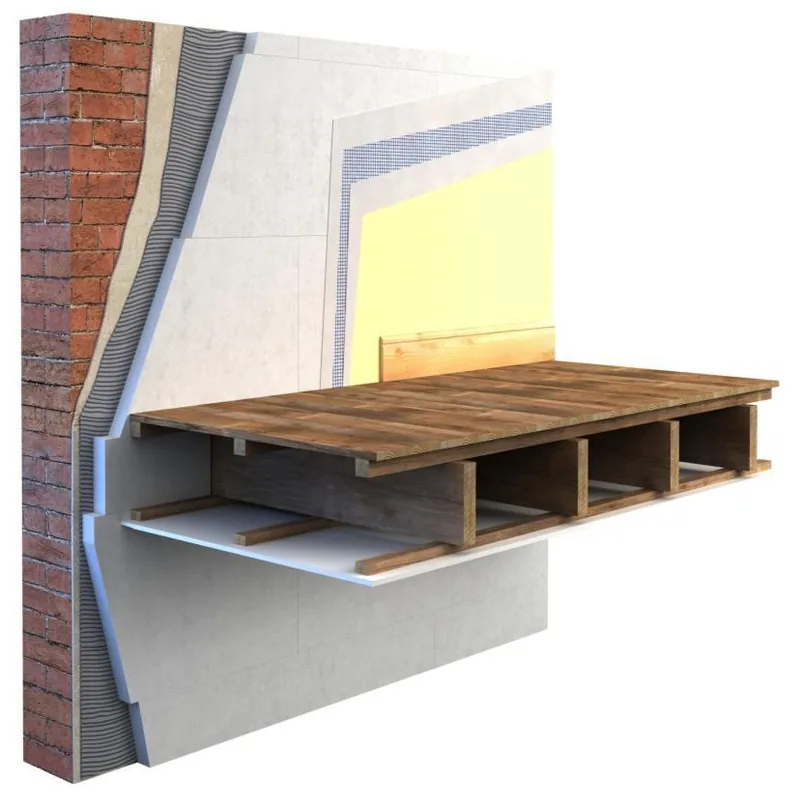
Fabric first, as the new rules now require. If that house type can do that, an EPC C compliance package is comfortably within reach on almost any street in Oxford.
Read the working plan. Our landlord compliance guide sets out the 2030 rules and the phasing logic in full.
Landlord questions, answered
When do rented properties need to reach EPC C?
By 1 October 2030. The government confirmed in January 2026 that all tenancies within scope of the regulations must meet the new standard by that single deadline — the earlier idea of a phased start for new tenancies from 2028 was dropped. The legislation itself is targeted to come into force in 2027, and a post-retrofit EPC commissioned before 1 October 2030 is how compliance is demonstrated.
How much do I have to spend per property?
The confirmed cost cap is £10,000 per property — you must invest up to that amount on improvements to meet the standard, after which a 10-year exemption can be registered if the property still falls short. Properties valued below £100,000 qualify for a reduced cap. The government’s own impact assessment expects the average spend to be around £5,400, so many properties will not need the full cap. We quote each property individually after a survey — no standard packages, no guesswork.
What happens if a property is not compliant?
Local authorities will be able to issue penalties of up to £30,000 per breach for each non-compliant property. Across a portfolio, that turns an upgrade programme you control into a liability you do not. Starting early also means work is done at today’s contractor availability, not in the 2029–2030 rush.
Can the work be done with tenants in place?
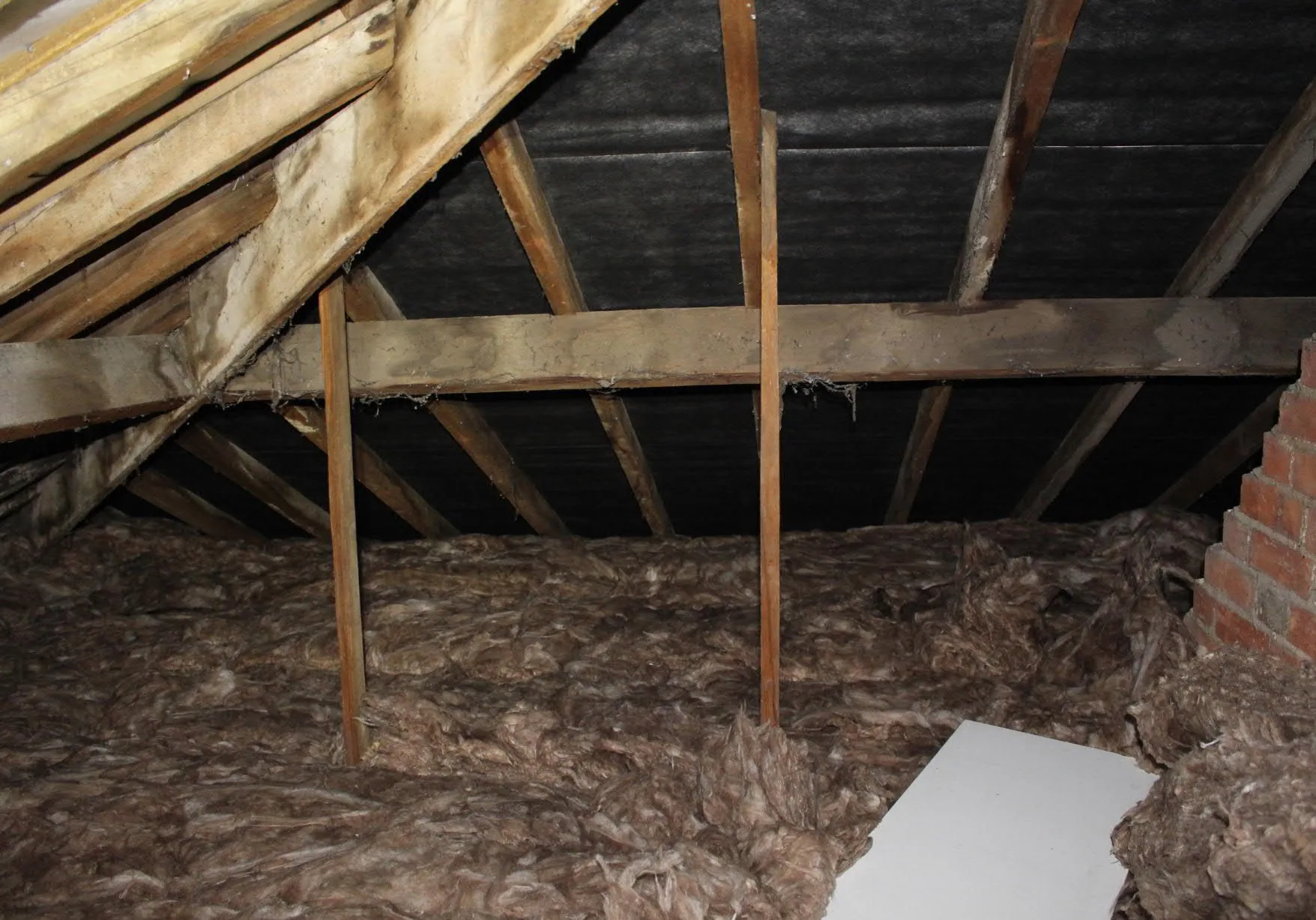
Often, yes — it depends on the measures. Loft insulation, ventilation, heating upgrades and many window replacements can be done around a tenancy; internal wall insulation is far easier in a void period. This is exactly why we plan portfolios rather than single jobs: we map every property, then schedule the disruptive works into your natural void periods between now and 2030.
Start with one free survey.
Send us one property — the coldest one, the one with the worst EPC — and we will survey it free, no obligation, and show you what a compliant upgrade actually looks like. If that earns your confidence, we will map the rest of the portfolio. Call 01865 965479 — or the booking form reaches us instantly.